Understanding Paint Coating Layers: How They Work to Preserve Your Car’s Finish (Copy) (Copy)
A Guide to Automotive Paint Layers in Palm Coast, FL
Keeping your vehicle looking brand new requires more than just a quick run through an automatic carwash. Florida sunshine and daily driving hazards constantly attack the exterior of your car. Christal Clean Detailing is explaining automotive paint layers for drivers in Palm Coast, FL. Knowing exactly what covers your car helps you make better decisions about long-term care and maintenance.
Why Your Car's Paint Needs Protection
Daily exposure to harsh UV rays and acidic bird droppings will permanently damage an unprotected exterior. Fading and oxidation happen quickly because nothing stands between the environment and the factory's clearcoat. Investing in proper vehicle surface protection prevents corrosive elements from eating through vulnerable exterior panels. This level of professional care keeps the body glossy and defends against the constant barrage of environmental contaminants you encounter on the road every single day.
How Modern Automotive Paints Work
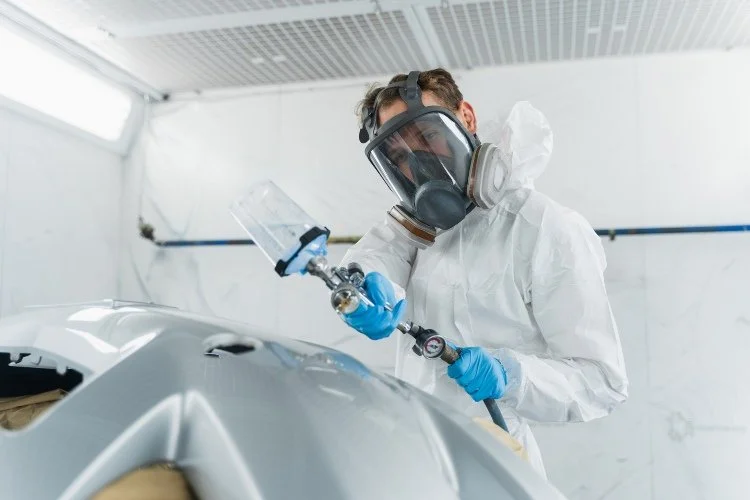
Factory finishes consist of several distinct layers designed to provide both stunning color and structural defense. Manufacturers spray specific chemical coatings onto the bare metal to prevent rust and give the vehicle a distinct visual appeal. Let us explore the three main layers of a modern car finish so you understand exactly what we work so hard to protect.
Primer Layer: The Foundation for Durability
The primer layer bonds directly to the bare metal of your vehicle to block rust and corrosion. The initial application creates a uniform surface, allowing the colored coats to adhere properly. Without this foundation, the top colors would flake off or fail to bond correctly to the metal panels.
Basecoat Layer: Adding the Color
Sitting right above the primer is the basecoat, which provides the actual color of your vehicle. The colored layer contains the specific pigments and metallic flakes, giving your car a unique visual identity. The basecoat itself remains quite fragile and relies heavily on the layer above it for defense against the outside world.
Clearcoat Layer: The Protective Barrier
A thick transparent resin called the clearcoat acts as the final barrier against environmental damage. The transparent shield protects the fragile color underneath from fading while providing the glossy shine you love. Ultraviolet inhibitors within the clearcoat do most of the heavy lifting for car paint preservation before you add any aftermarket protection.
What Are Paint Coatings and Why Do They Matter?
Standard waxing provides a decent temporary shine, but wax melts off quickly in the brutal Florida heat. A modern paint protection coating chemically bonds with your factory clearcoat to create a semi-permanent, hardened barrier. Advanced liquid polymers offer significantly better defense against chemical stains and UV damage than traditional sealants ever could. Applying a high-quality product means spending less time washing the car and more time enjoying a deep, mirror-like gloss.
The Science Behind Paint Coating Layers
The coatings involved in our professional auto detailing process do more than merely sit on top of the paint. The liquid polymers interact chemically with the microscopic pores of your factory clearcoat to form a tightly knit structure.
Layer 1: Bonding With the Surface for Adhesion
The first phase of the application process involves the liquid polymer seeking out the microscopic valleys in your clearcoat. Active ingredients anchor themselves deep within the factory finish to ensure the protection will not wash off during routine maintenance. The resulting chemical bond forms the permanent base for the protective shield.
Layer 2: The Middle Layer That Enhances Durability
As the product cures, the internal structure cross-links to form a rigid lattice over the paint. The hardened middle section absorbs the brunt of environmental impacts and chemical contaminants. Enhanced structural integrity keeps the underlying color safe from oxidation and premature aging.
Layer 3: The Top Layer That Fights off the Elements
The outermost surface of the cured product creates an intensely hydrophobic barrier to repel water and dirt instantly. Grime struggles to stick to the slick surface, making routine cleaning incredibly fast and easy. The top layer gives the vehicle a signature glass-like shine while rejecting acidic elements trying to ruin your finish.
How to Maintain a Coated Vehicle
Regular maintenance keeps your protective layer functioning perfectly and extends the life of the treatment. Taking care of a coated car requires specific wash methods to prevent accidental scratching. Some important maintenance practices all drivers should follow include:
Wash with a pH-neutral soap.
Avoid using abrasive cleaning tools.
Use a microfiber towel for drying.
Inspect the coating for damage regularly.
When to Reapply or Upgrade Your Paint Coating
Even the strongest professional-grade polymers eventually wear down from constant environmental exposure. You will notice water stops beading up tightly and the surface feels slightly grabby right before the protection begins to fail. New chemical formulations hit the market frequently, offering longer lifespans and superior gloss than older versions. Upgrading your protection every few years guarantees your vehicle always benefits from the most advanced chemical defense available.
Schedule an Appointment Now!
Giving your vehicle the right level of defense keeps the exterior looking incredible while maintaining the resale value of your investment. You do not have to fight the harsh Florida elements alone when trying to keep your car looking pristine. Contact us today to explore long-term coating options tailored specifically to you.
FAQs About Automotive Paint Layers
-
Professional liquid polymers typically protect your exterior for anywhere from two to nine years, depending on the specific product and maintenance routine. Parking inside a garage and washing the car properly will significantly extend the lifespan of the treatment.
-
Applying advanced chemicals requires a completely decontaminated and polished surface to bond correctly. Mistakes made during the installation process often leave high spots and streaks requiring intensive machine polishing to fix.
-
The ceramic coatings we use have silicon dioxide to create a brilliant shine and a strong hydrophobic barrier. On the other hand, graphene variations infuse carbon atoms into the mix to reduce surface temperature. We find that ceramic coatings are the preferred choice of most drivers.